
The Dead House
It used to be the last stop on the way to the grave. Now the historic brick building in Central Cemetery is in danger of meeting its own demise.

City Councilor Scott Houseman is trying to revive the dead — the Dead House, that is.
Don’t feel badly if you never heard of the Dead House. I never heard of it until this week, even though it’s located in Central Cemetery, which is down the street from where I grew up and the cemetery where my parents are buried (not to mention the place where I learned how to drive).
Before telling you exactly what the Dead House is, let’s keep you all in suspense and first report that the city is looking to spend $220,000 to preserve it. Houseman has filed an application with the Beverly Community Preservation Committee on behalf of the city seeking to fund the project with Community Preservation Act funds. That’s the money that comes from the 1% surcharge on your property tax bill to pay for things like historic preservation, affordable housing, open space and recreation.
The main name of the building is the Tomb House, but I’m calling it the Dead House because the application says that’s how it’s also known, and “City wants to spend $220,000 on Dead House” is a headline that’s hard to pass up.
OK, so what is the Dead House? It’s a brick building in Central Cemetery that was once used to store bodies in coffins during the winter, when the ground was too frozen to dig graves. Here are photos from the CPA application showing it from the Lothrop Street entrance, along with a closer look:
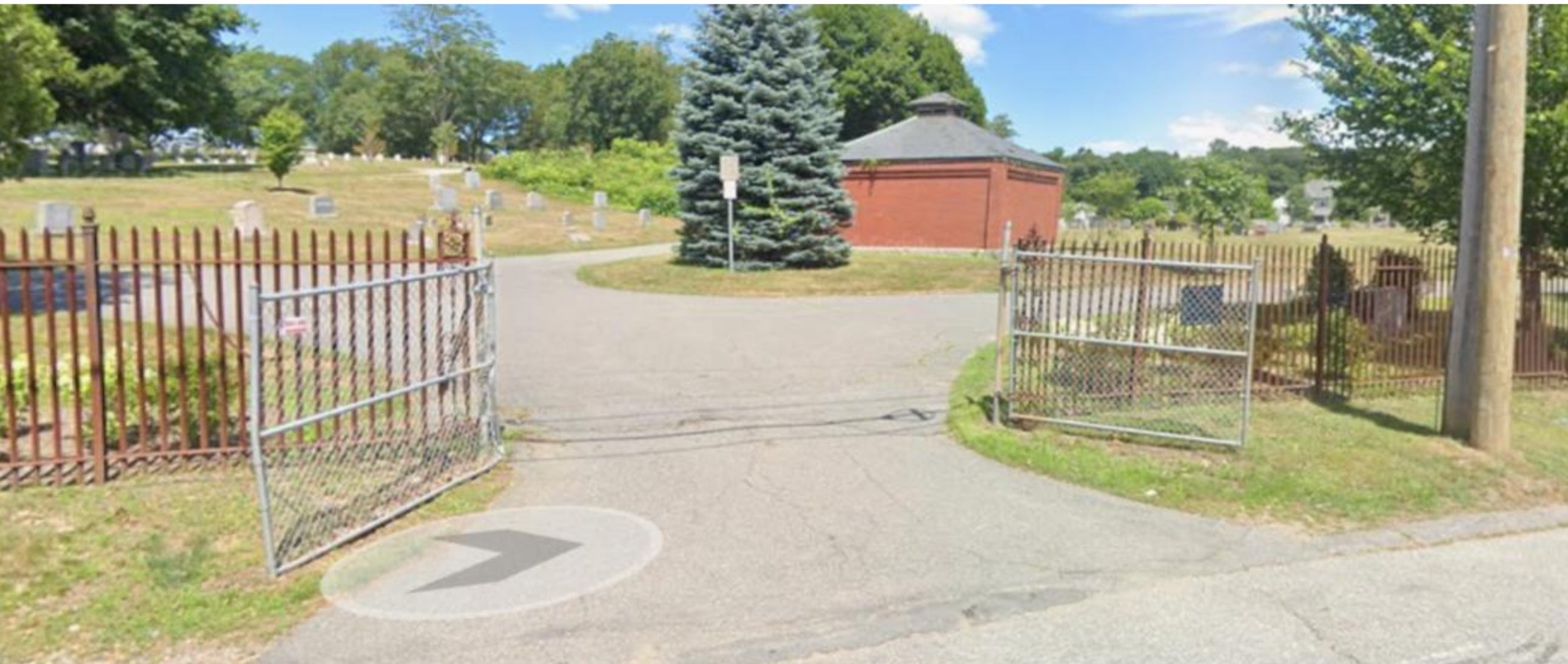
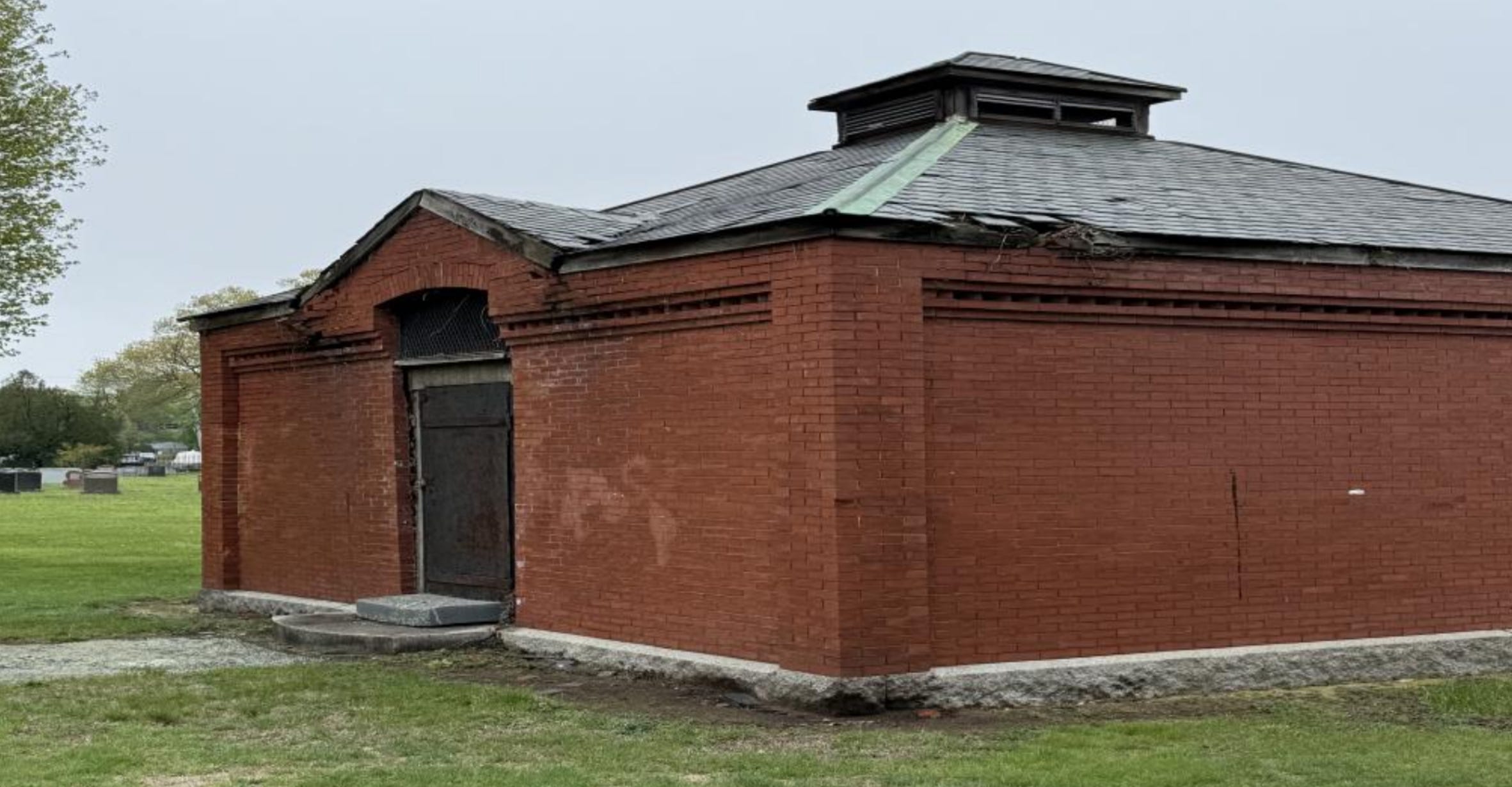
No, there are no bodies inside there now. Houseman said it hasn’t been used for that purpose in years.
So what is it used for now? Nothing, really. Here’s a look at the inside, where you can see the racks where the coffins were stored. Houseman said the sled-like devices were presumably used to transport the coffins in the snow.
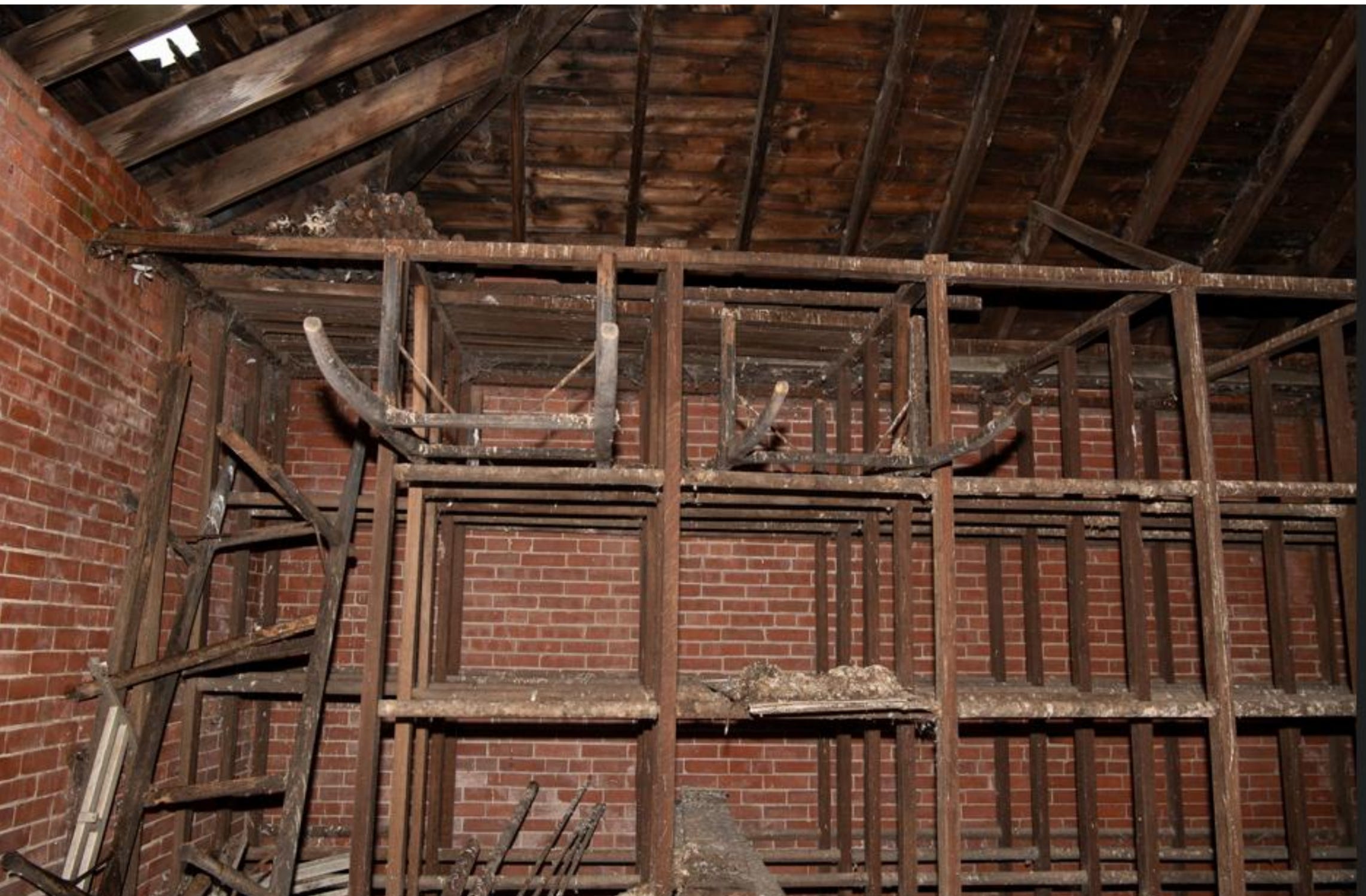
So why spend two hundred grand on a building that’s not being used? Houseman, who represents Ward 4 where Central Cemetery is located, says it’s a piece of the city’s history — it was built in 1891 — and is in danger of falling apart. In the application, he said there’s significant deterioration in the masonry and the roof and that action is needed “to avert a possible catastrophic failure.”
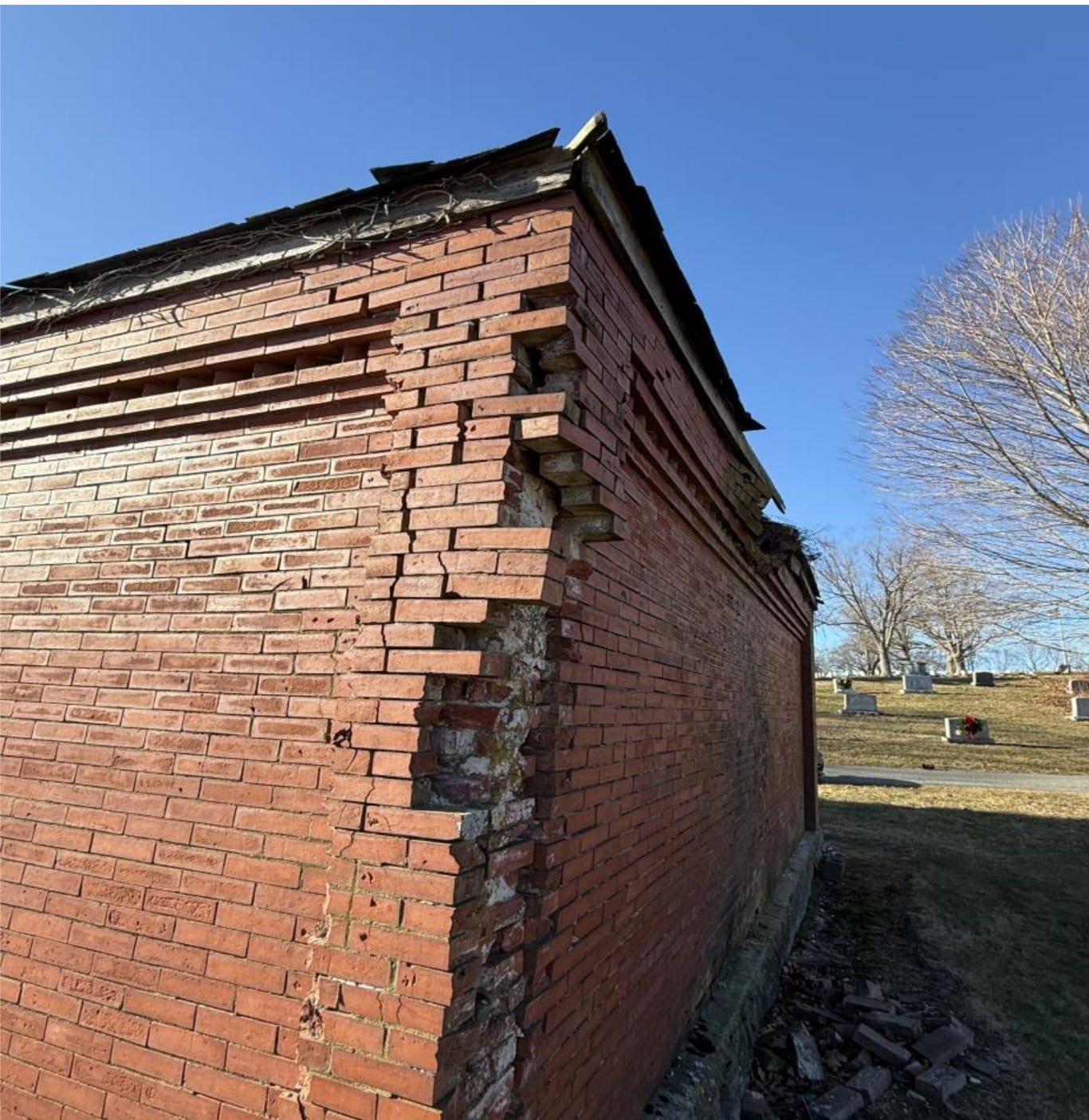
The application says that dead houses were once common in many large cemeteries, which in the late 19th-century Victorian era were designed with trees, curving roadways and sometimes memorial chapels and were meant to be “picturesque landscapes both for the dead and the living.”
The application says most dead houses have disappeared, “making the Beverly one a rare example.” The building was designed by Beverly architect Weldon B. Smith, who also designed such notable Beverly buildings as the Dane Street Congregational Church Parsonage at 9 Dane St. (now a Montserrat College of Art student center), the Marston & Sturtevant Building at 278 Cabot St. (now the Cabot Lodge), the former Beverly Savings Bank (now TD Bank) building at 175 Cabot St., and the Endicott Building (now Bank of America) next door at 165 Cabot St.
The city is also seeking $950,000 in CPA money to restore the mile-long fence and gates around Central Cemetery. In a letter supporting both the fence and Dead House projects, Historic Beverly Director Abby Battis called Central Cemetery “one of Beverly’s most significant historic landscapes,” and said preservation of the fence and Dead House is “critical not only to maintaining the integrity of the cemetery, but also to honoring the generations of Beverly residents interred there.”
Here’s a look at the full application:

The project would require hiring a consultant to assess the structural integrity of the Dead House and develop a plan to stabilize and restore it. The city is seeking $23,390 for that phase of the project, then would then come back to the CPA asking for the rest of the money in another round of funding.
It should be noted that CPA money is separate from the city budget, which is facing a nearly $4 million deficit in the upcoming fiscal year. The city’s Community Preservation Committee recommends which projects should be funded, and the City Council has the final say. Those decisions are expected around April and May. Here’s a link to the city’s website showing all of the current project applications.
Houseman said he realized the significance of the Dead House when he began working on the Central Cemetery fence project years ago.
“It’s not just a run-of-the-mill brick building,” Houseman told me. “Special care was taken in its design and appearance and materials used. It’s part of Beverly’s history, and if it’s not tended to soon, it might not make it through another winter.”
As to what the Dead House will be used for when and if it’s fixed up, Houseman said there have not been any discussions about possible future uses. When I texted him “Not as a Dead House, I presume,” he answered, “I think that idea would be dead on arrival.”
I agree with Councilman Houseman, it is needed to be saved.
But what really bothers me is CPA funding which is basically a Tax.
Every year for decades Each Department in City Government has a BUDGET. Correct?
IN this case, the Dead House has been neglected for decades. Such as was the GAR building, Powder House, along with other historical buildings owned by THE CITY. The Department Heads are responsible for the properties that fall into their departments. The Neglect for each of our historic buildings/properties for the past Fifty years or more falls on each Department Head having Zero Accountability.
If it wasn’t for Our Tax contributions falling into the CPA and NOT the General Funds, many of the buildings/properties of historical value would still be in total disrepair or not exist. Thankfully the CPA appears to have very good management with great judgement where to grant the funding.
I have the utmost respect for Councilor Houseman and history, therefore I support the project. I must confess however, that if it became a choice on the house or me going first, I would opt for the house. 😊