
Clean sweep
In a first, divers to clear Beverly Harbor of 'derelict' lobster traps and abandoned fishing gear

Today I experienced one of the best views the city has to offer. It was from the second floor of the Beverly Harbormaster’s Office, the sun sparkling off the water of Beverly Harbor on a clear, cold morning.
But as Harbormaster Peter Dickman told me, all is not what it seems.
“You look out here and it looks pristine,” he said as we sat at a conference table in a room surrounded by windows. “Unfortunately, below it’s a dump.”
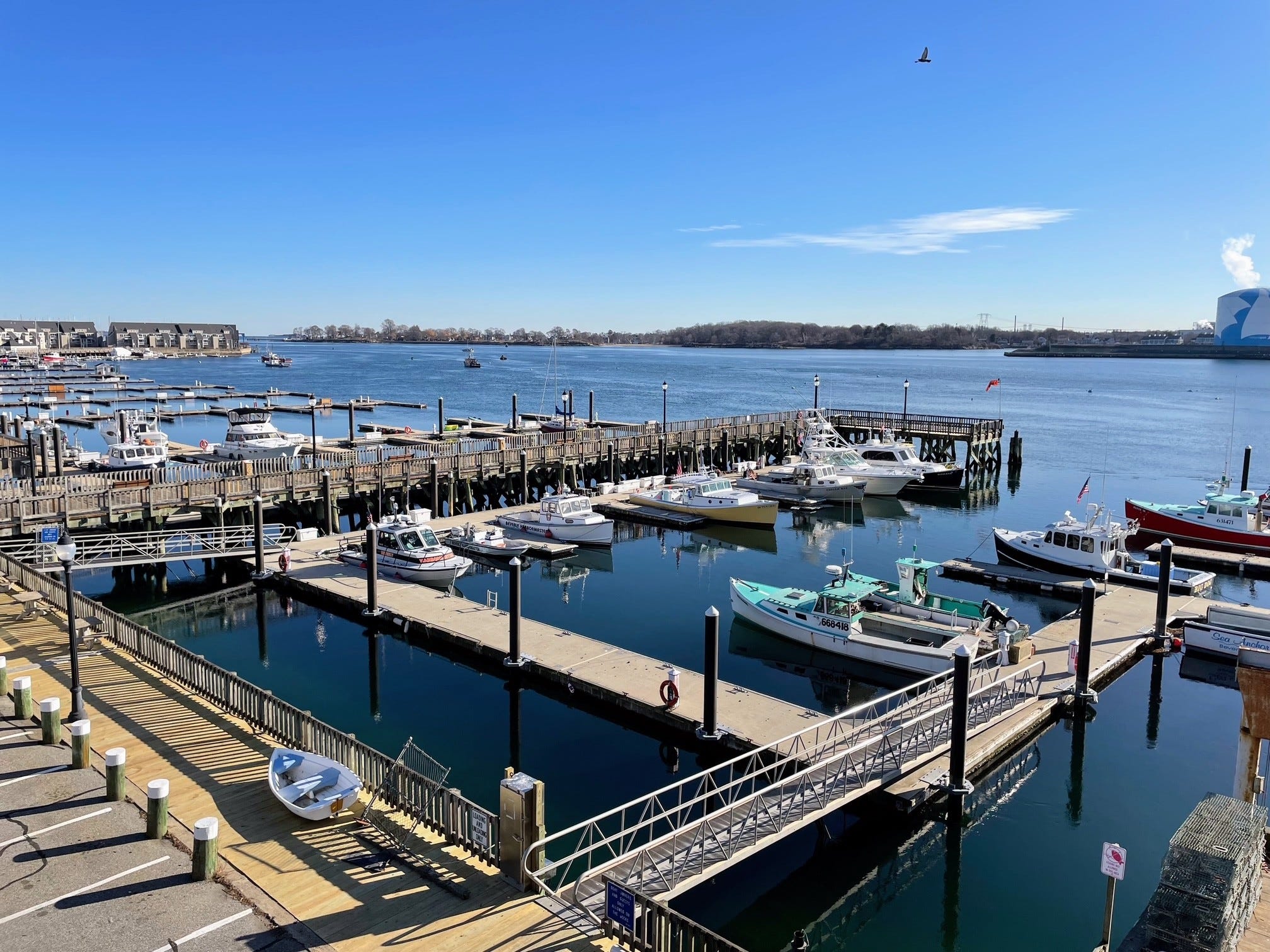
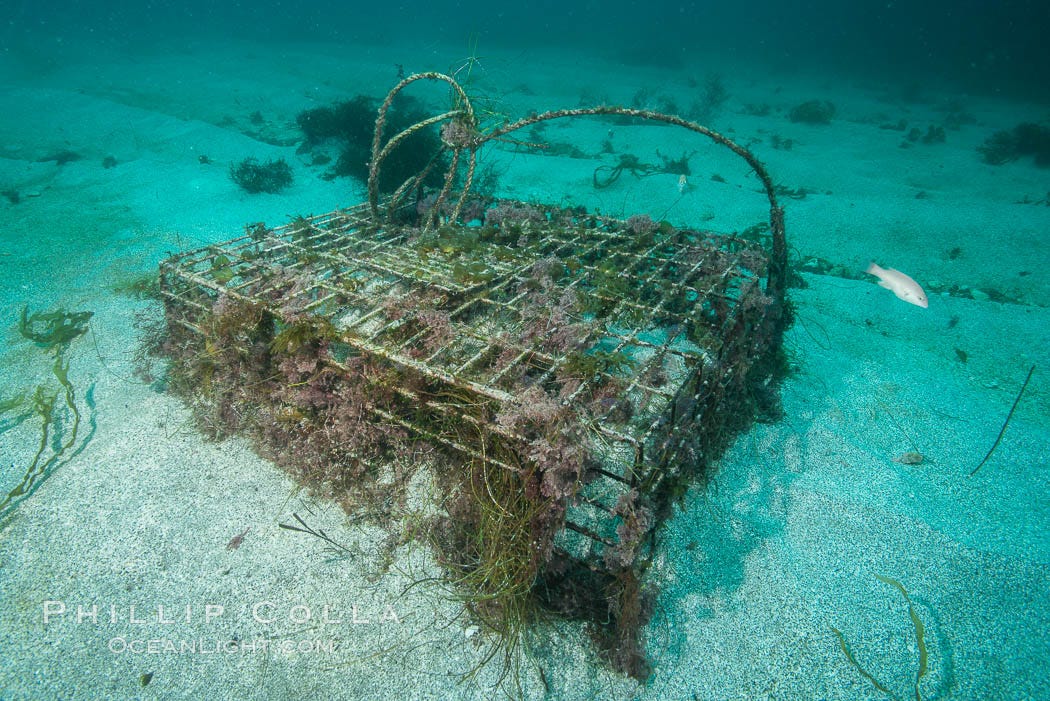
Dickman was referring to what’s under the water in Beverly Harbor. From what I was told, it’s not a pretty sight. The bottom of the harbor is littered with debris, from lobster traps to deck chairs to Yeti cups and even a big oil drum. (Here’s a link to a video taken last year by the Harbormaster’s Office during a dive in Beverly Harbor.)
It’s apparently a common problem in harbors and oceans just about everywhere. But Beverly is about to become one of the first places in Massachusetts to do something about it.
The city has received a $124,700 grant to remove “derelict” lobster traps and other abandoned fishing gear from Beverly Harbor. Starting next winter, a team of SCUBA divers will scour the harbor for abandoned lobster traps and other gear and remove it. According to Dickman and Assistant Harbormaster David Caldwell, Beverly will be the first city in Massachusetts to undertake such a project.
“It’s definitely exciting,” Caldwell said.
So how did Beverly end up being at the forefront of such a task? It started to become possible in December of 2024 when the state Legislature passed a law that gives the Division of Marine Fisheries more authority to remove abandoned fishing gear from state waters. Before that, abandoned gear was treated as private property even when it was unclaimed and no owner could be identified.
Then, in April, the Center for Coastal Studies based in Provincetown undertook a clean-up project that removed 117 traps and 1,400 cubic feet of fishing line from Salem Sound. That project inspired the Beverly Harbormaster’s Office to look into doing a similar cleanup of its own.
The city applied for a grant from the National Fishing Trap Removal, Assessment, and Prevention Program. Last month Beverly learned it was one of 13 recipients of a grant from around the country, from Cape Ann to California. Here’s a copy of the city’s grant application:

Beverly’s project will target derelict lobster traps as well as other abandoned fishing gear. According to the state’s Division of Marine Fisheries, about 9% of lobster traps in Massachusetts are lost or abandoned every year, an estimated 22,500. The traps continue to capture and kill marine life in what is known as “ghost fishing.” According to the city’s grant application, “This ‘ghost fishing’ disrupts natural marine habitats & has a significant impact on the overall health of the fishing stock, which in turn impacts the fishing industry and communities that rely on it.”
Beverly Harbor is mostly used by recreational boats during the summer, but the city’s application notes that the area is also the home port of approximately 30 year-round commercial fishing vessels.
The city has to wait for the state to do an environmental assessment before it begins the project. Then it has to wait out the summer, when the harbor is busy with recreational boats. That’s why the actual diving won’t take place until late next year, and then pick up again the following winter.
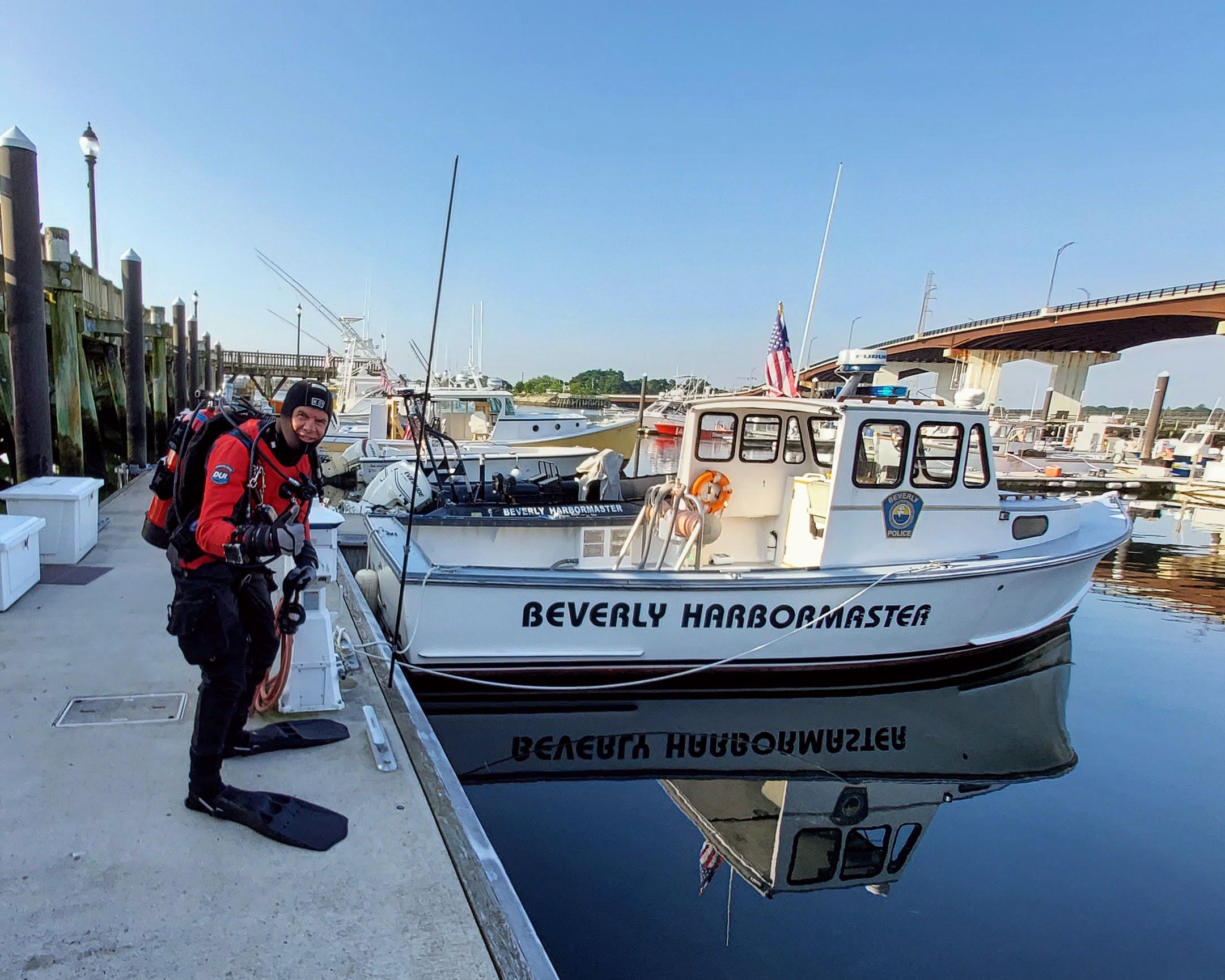
Dickman will lead the project while Caldwell will serve as the dive safety officer. Caldwell is an experienced SCUBA diver and will train the certified divers who volunteer for the project on the specifics of how to remove abandoned traps and gear. He’s hoping for 40 to 50 divers to take part.
The Center for Coastal Studies used sonar and grappling hooks to remove the gear from Salem Sound last year. Dickman and Caldwell said that technique could be problematic in Beverly Harbor, which has rocky terrain and lots of mooring blocks that could get tangled up with the hooks. That’s why they’re sending in divers to do “hands-on retrieval.”
The divers will manually free the traps and float them to the surface with lift bags. If the traps are too heavy or entangled, they’ll hook them up to the winch/crane system of a commercial fishing boat at the surface. Beverly Harbor has an average depth of about 15-30 feet, with a max of about 60 feet, according to Dickman and Caldwell.
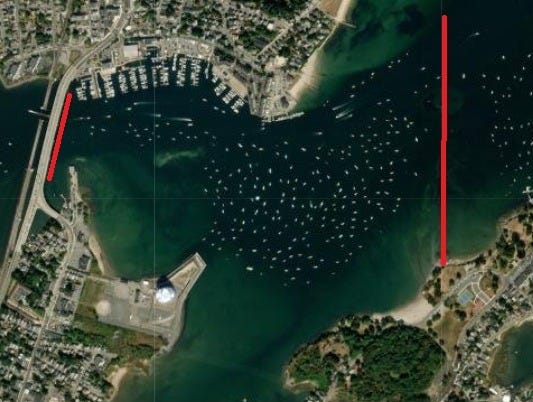
Here’s a satellite photo showing the area that will be cleaned up:
The Harbormaster’s Office has plenty of partners on the project, including the lobstermen association, local dive shops, marine biologists, North Atlantic Dive Expeditions and Beverly Harbor Management Authority; environmental groups such as Salem Sound Coastwatch and Green Beverly; as well as Endicott College, Essex Tech and Beverly High School. Outside agencies such as the National Association of Underwater Instructors, Massachusetts Division of Marine Fisheries, Center for Coastal Studies, U.S. Coast Guard and the NOAA Stellwagen Bank National Marine Sanctuary will also support the project.
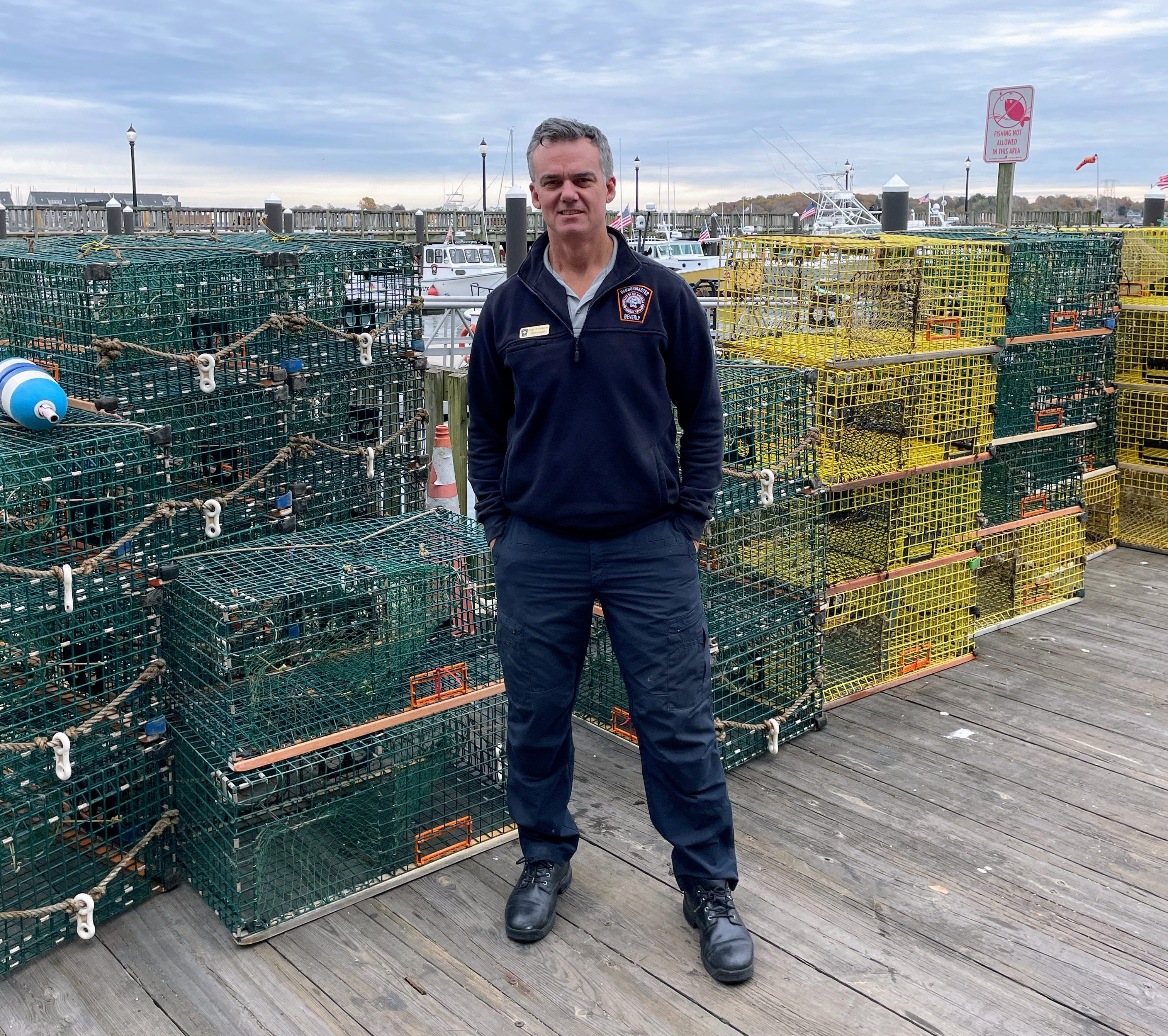
The recovered traps will either be recycled, reused or taken to a landfill, or even returned to their owner if the permit number is still identifiable. Not only will a cleaned-up harbor be better for marine life and the environment, but it should also help prevent recreational boaters from getting tangled up in debris.
Caldwell says he runs a charter boat that takes divers to shipwrecks, and those ships are covered with abandoned traps. He noted that cleaning up Beverly Harbor is “not even touching the tip of the iceberg” of the problem of ocean debris. But it’s a start.
“There will be an awareness of what we’re trying to do as one small community,” he said.
Thank you again Paul for an informative and well written article. The video and photos are helpful in understanding the scope of this project as well.
Great environmental story. Thank you, Paul.